
Railing Permits in San Ramon: What Homeowners Need to Know
Do you need a railing permit in San Ramon?
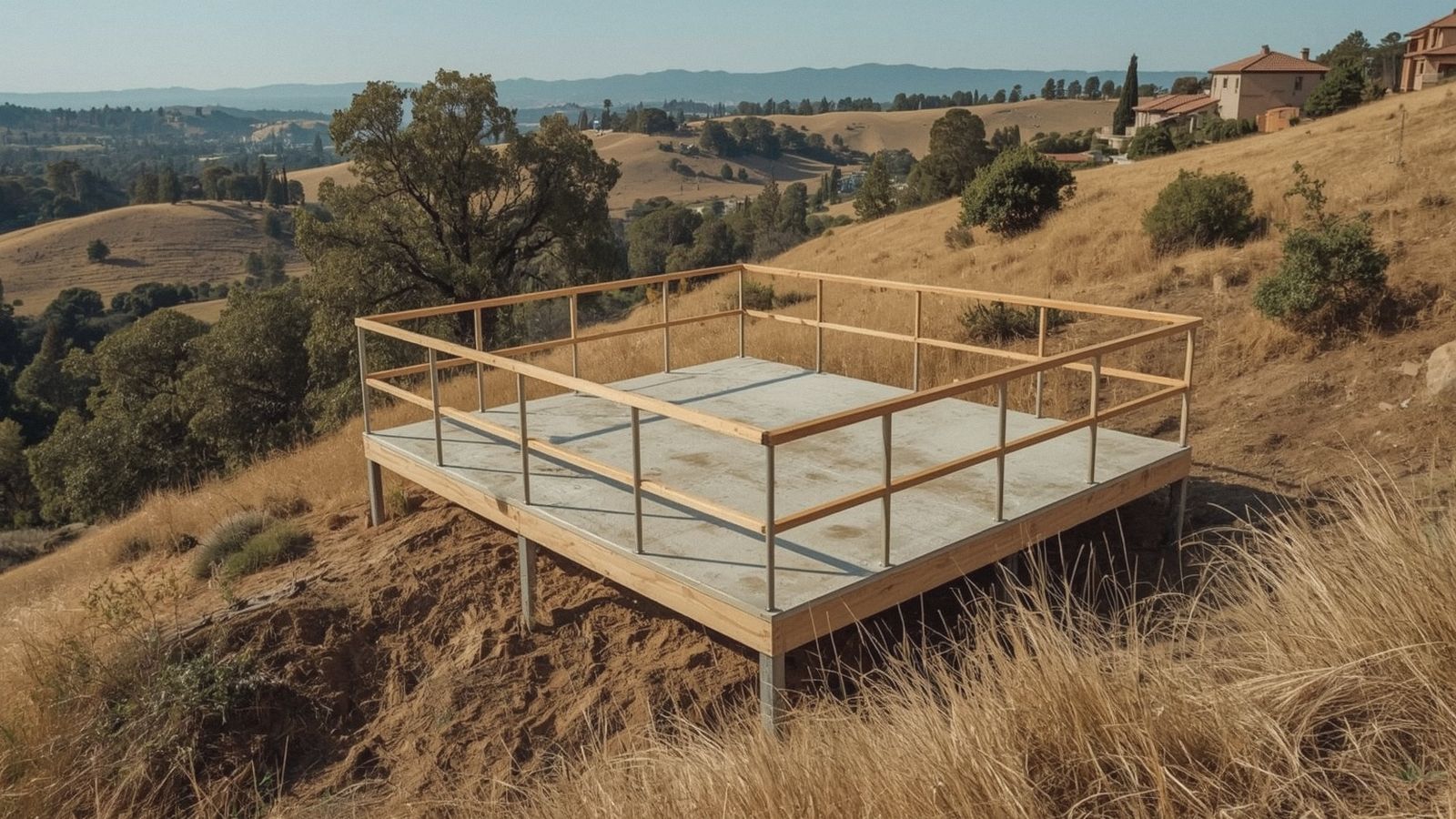
A railing permit in San Ramon depends on what you are building and how high it sits. A guard is required wherever a walking surface is more than 30 inches above grade, and that same height is where permit questions start for decks, balconies and stairs. Painting a rail or tightening a loose baluster is maintenance. Replacing the whole guard on a second-story deck is a different conversation.
One important caveat: San Ramon's own exemption threshold is something to confirm directly with the city. Most Tri-Valley departments, including Dublin, Pleasanton, Walnut Creek and the County, exempt only small, low, detached decks, but you should confirm with the city before assuming your project is exempt.
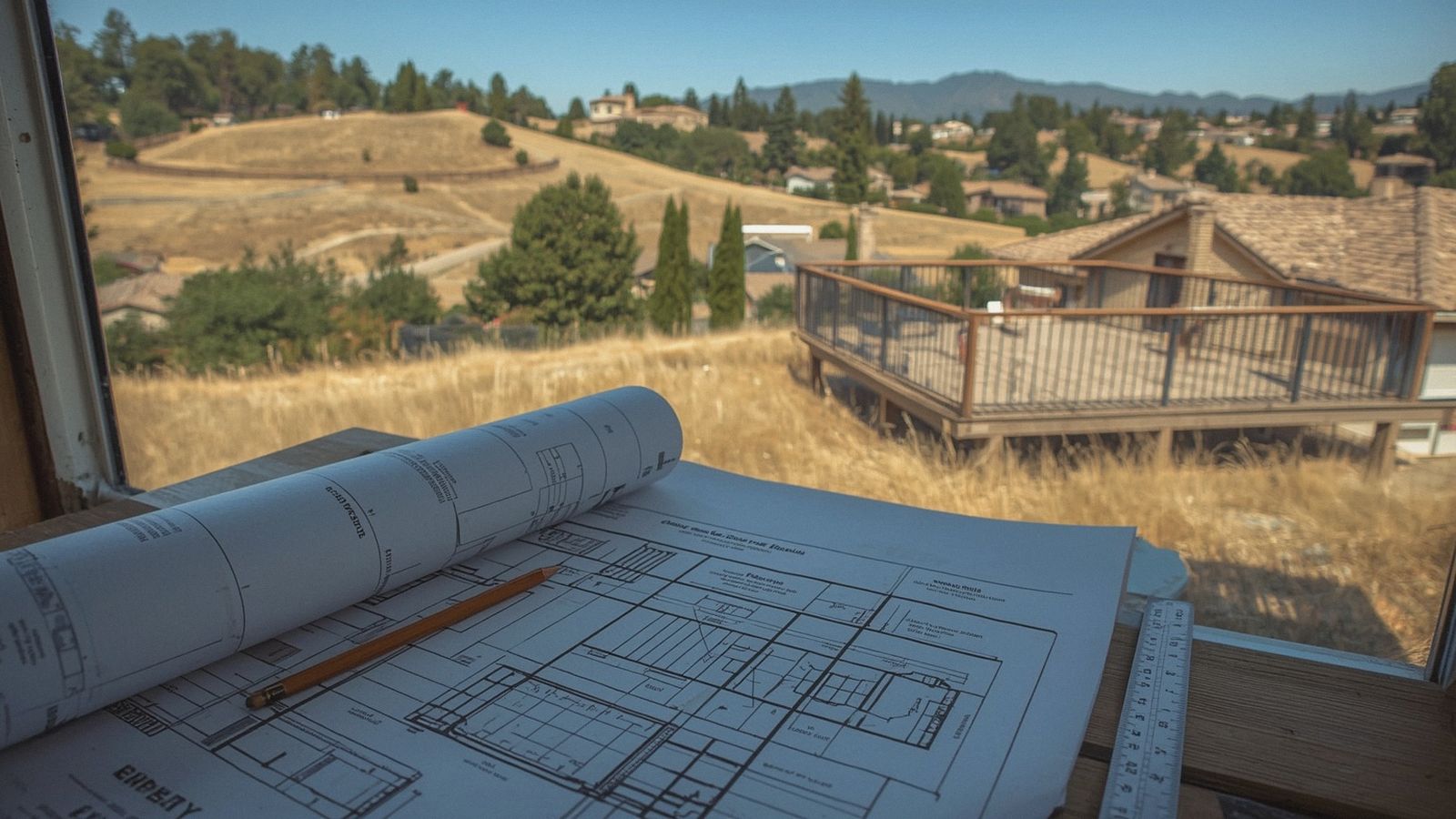
Where San Ramon permits are handled
San Ramon's Building Division runs the Permit Center at City Hall, 7000 Bollinger Canyon Road. The phone number is (925) 973-2580, option 2, and the counter is open Monday through Friday, 8:30 to 5.
Most applications go through the city's EnerGov Self Service portal, which the city also calls its CSS Permitting System. You create an account, upload plans, pay fees and track plan-check comments there. If you are unsure whether your project needs a permit at all, a quick call to the Permit Center before you buy materials is the cheapest insurance you can get.
Have your address, a few photos and a rough sketch with heights when you call. The staff can answer much faster when they can picture the project, and you will know whether to budget for plan check before you collect bids.
Planning a railing project in San Ramon or the Tri-Valley? We measure on site for free and give you a written range before anything is fabricated.
What your plans need to show
San Ramon's Accessory Structure handout calls for stairway, handrail and guardrail details on the plans. In practice, a good railing detail shows:
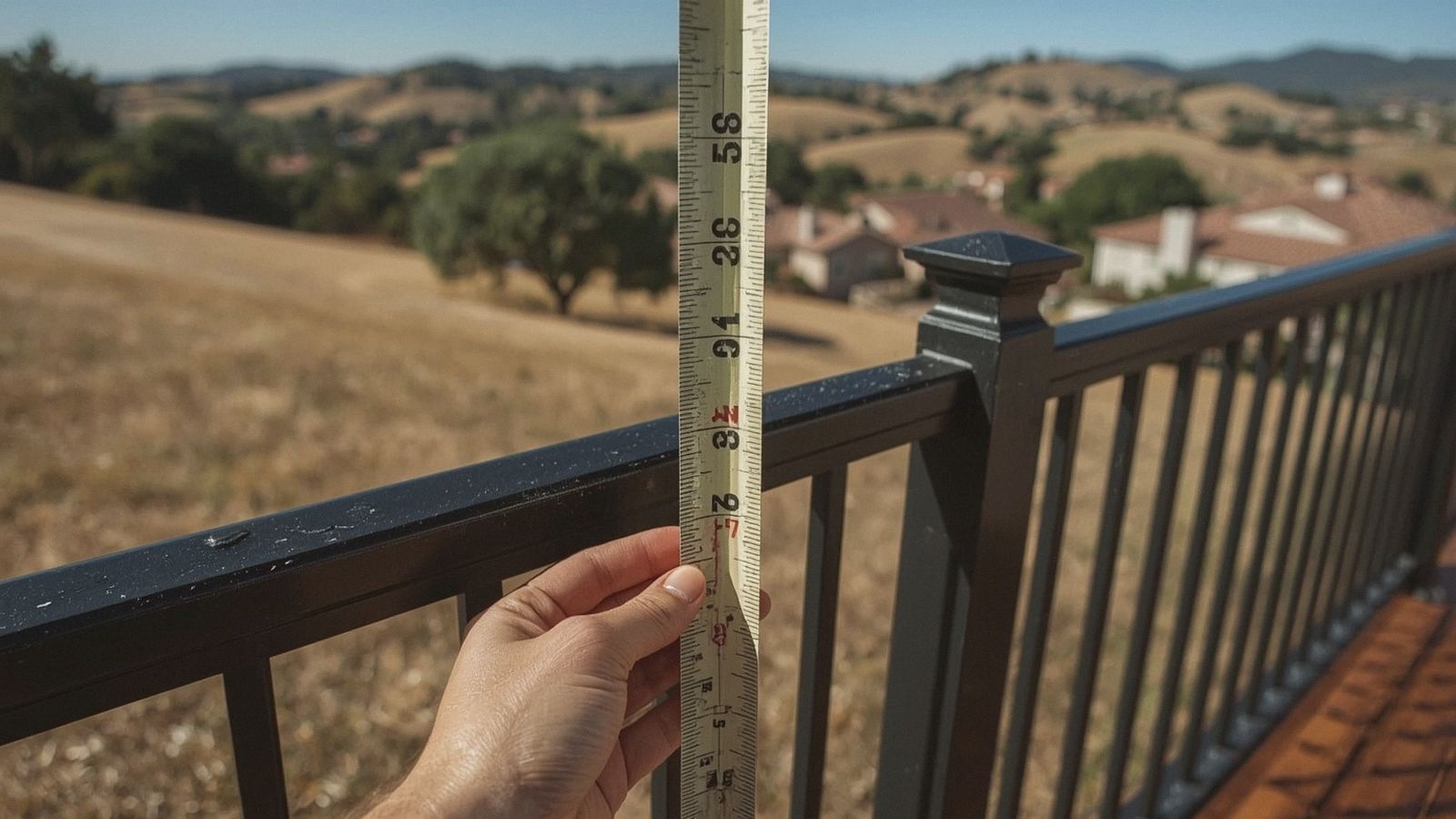
- Guard height, typically 42 inches above the walking surface.
- Baluster, cable or panel spacing that stops a 4-inch sphere (6 inches at the stair tread triangle).
- Handrail height of 34 to 38 inches measured from the stair nosing, with a graspable profile.
- Post spacing and how each post anchors to the framing or concrete, including bolts and blocking.
- Material, finish and, for glass, the panel type (tempered or laminated).
We draw these details for every project, so the same sheet works for plan check, your HOA and our shop.
When a permit is likely, and when it is not
| Project | Permit likely? |
|---|---|
| New deck more than 30 inches above grade, with guards | Yes |
| Replacing the full guard on an elevated deck or balcony | Usually |
| Rebuilding an exterior stair with new handrails | Usually |
| Interior stair rebuild that changes structure | Often |
| Swapping interior wood spindles for iron, same handrail | Ask the city |
| Repainting, re-tightening or replacing a few balusters | Usually not |
Treat this table as a starting point. The city has the final word, and the answer can change based on how much of the railing is replaced. Many departments treat replacing more than about half of a guard as a replacement that must meet current code; ask how San Ramon applies that to your project.
How neighboring departments compare
Neighboring jurisdictions publish their exemption tests, which helps explain what San Ramon is likely to ask:
- Dublin (100 Civic Plaza) exempts a deck only if it is 200 square feet or less, 30 inches or less above grade, detached, and not serving the required exit door. Its Guards and Handrails handout spells out the 42-inch and 4-inch rules.
- Pleasanton (200 Old Bernal Ave) uses the same four-part test, and its permit application asks whether your property is under HOA design review.
- Walnut Creek uses the same test and requires decks and balconies 30 inches or higher to be designed by a licensed architect or engineer.
- Unincorporated Contra Costa County (Alamo, Blackhawk, Diablo) applies the same test through its ePermits Center. See our County railing permit guide.
Dougherty Valley and HOA review come first
In Gale Ranch, Windemere and many other San Ramon neighborhoods, the HOA is the first gate, not the city. Many HOAs require architectural review before any exterior railing change, and an approval letter can take weeks. Submit your drawing, a finish sample and photos of the existing rail, and wait for written approval before you file with the city or order materials. Our HOA and condo railing service covers how we package those submittals.
Keep the HOA approval letter with your permit paperwork. If the association asks for a change, such as a different color or picket spacing, update the drawing before it goes to the city so both approvals describe the same railing. Mismatched drawings are an easy way to lose weeks.
From first call to final inspection
Measure and check the structure
We measure the deck, stair or balcony and look at the framing or concrete the posts will anchor into.
Draw the details
Guard height, spacing, handrail profile, anchorage and finish go on one drawing set.
HOA approval
If you have an association, that drawing and a finish sample go to architectural review first.
City submittal
We upload plans through EnerGov and answer any plan-check comments.
Fabricate and install
Fabrication starts once the permit is issued, so nothing gets built to a drawing that might change.
Inspection
We meet the inspector, who checks height, gaps and anchorage before signing off.
The most common delay is starting fabrication before approvals are in hand. If plan check asks for a change, steel that is already welded has to be cut apart. Waiting a little longer at the start almost always saves time at the end.
Balconies on rental buildings
If you own a building with three or more rental units, balcony and stair guards more than 6 feet above grade fall under SB 721 inspections. San Ramon publishes a California Balcony Laws page: immediate hazards must be reported to the Chief Building Official within 15 days, and owners must apply for a repair permit within 120 days. We handle those repairs through our railing repair and SB 721 service.
Whether it is a deck, a stair or a balcony, we prepare the drawings, submit through EnerGov and meet the inspector. Call (925) 438-6219 or request a free estimate, and see our San Ramon railing page for more local detail.
FAQ
Questions, Answered
Straight answers on cost, code, permits and materials. Still unsure? Call and ask.
Where do I get a building permit in San Ramon?
San Ramon's Permit Center is at City Hall, 7000 Bollinger Canyon Road. You can call (925) 973-2580, option 2, Monday through Friday from 8:30 to 5. Most applications are filed and tracked online through the city's EnerGov Self Service portal, where you upload plans, pay fees and respond to plan-check comments.
Do I need a permit to replace a deck railing in San Ramon?
Often yes, if the deck is more than 30 inches above grade and you are replacing the guard rather than repairing a few pieces. Rather than assuming Dublin's or Pleasanton's small-deck exemption applies, confirm San Ramon's threshold with the Permit Center before you start. We can make that call and prepare drawings for you.
Should I get HOA approval or a city permit first?
Get HOA approval first. Many HOAs in Dougherty Valley and elsewhere in San Ramon require architectural review of exterior changes, and a city permit does not override HOA rules. Pleasanton's permit application even asks about HOA design review up front. Once you have written HOA approval, file with the city using the same drawing.
How much does a railing permit cost in San Ramon?
Railing-related permit fees in the Tri-Valley typically run about $50 to $500, depending on scope and valuation. A simple guard replacement sits near the low end; a new elevated deck with guards and stairs costs more. The city sets the exact fee during intake, and we include permit costs as a separate line on every estimate.
Need Help in San Ramon?
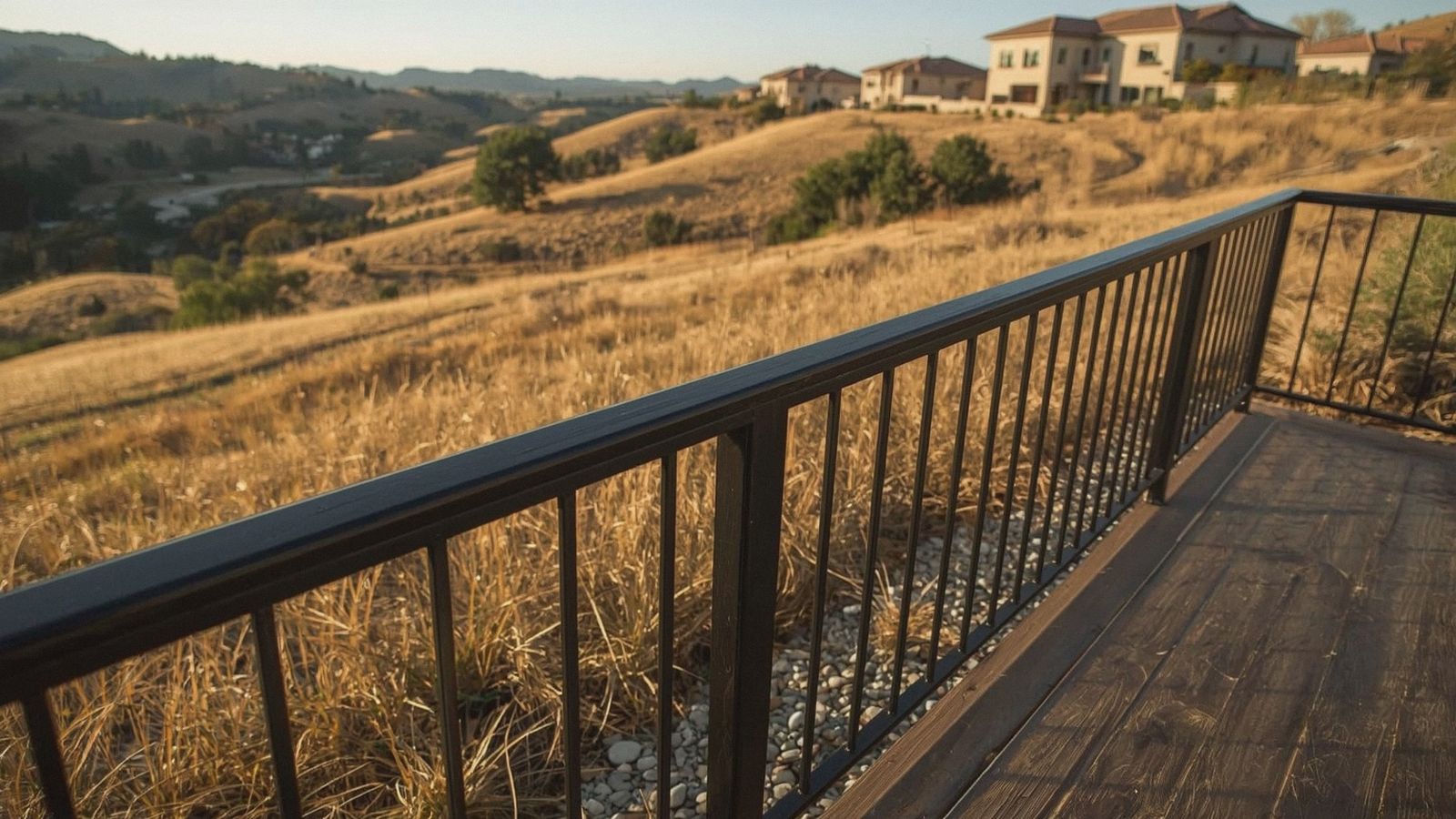
San Ramon Custom Railing builds custom iron, cable, glass and aluminum railings across San Ramon, CA and the Tri-Valley. If this guide answered your question, the next step is a free on-site measure and a written range. See everything we do on our homepage, or reach out now.